
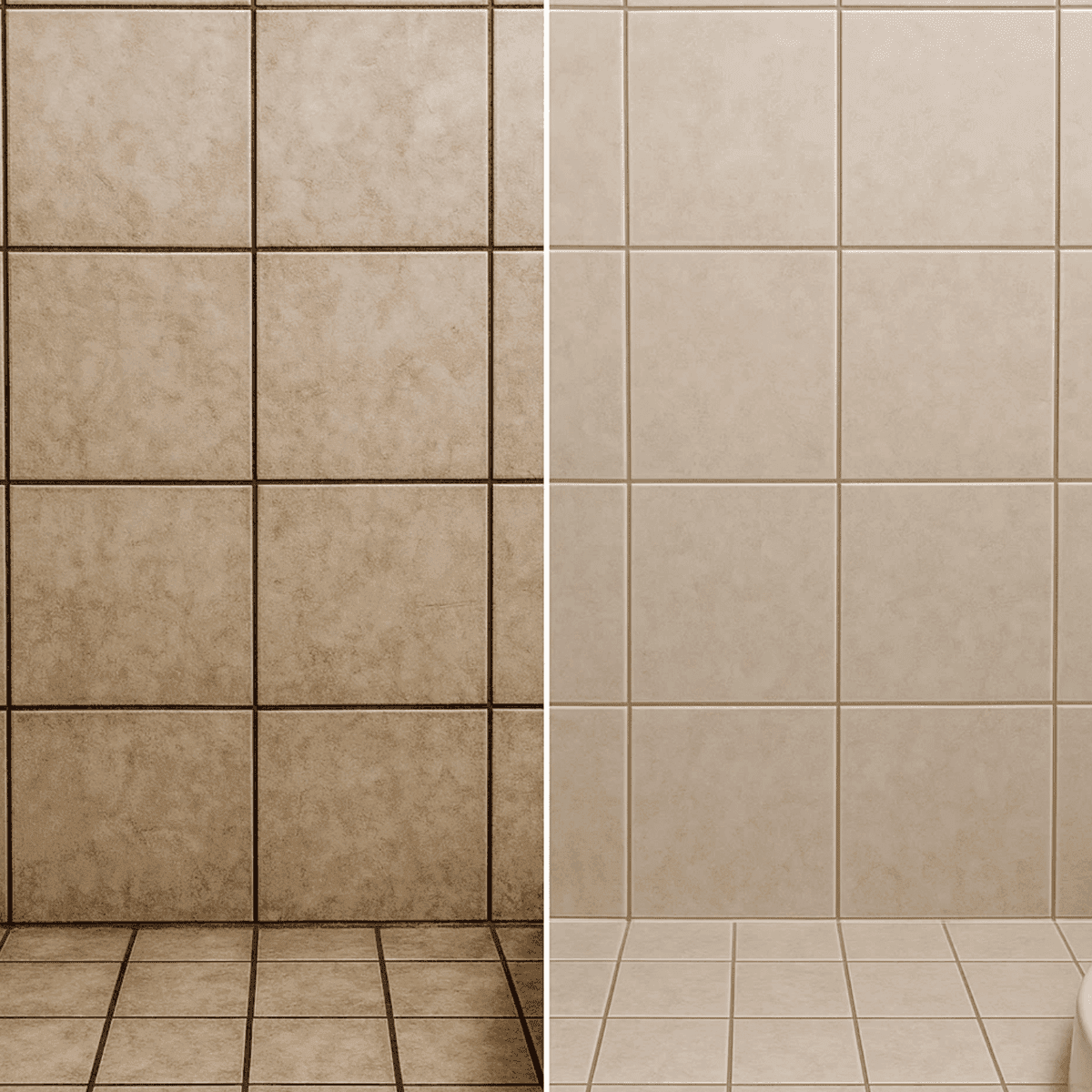
Tile floors look like they can handle anything, and most of them can. The trouble hides in the grout. Those narrow lines between the tiles are porous, which means they soak up everything that lands on them: tracked-in dirt, cooking grease, bathroom moisture, and the fine grit that rides in on shoes. At first the floor just looks a little flat. Then the grout darkens, the tile loses its shine, and mopping stops making a dent.
Here in Houston, the humidity makes it worse. Damp grout stays damp longer, especially in bathrooms and laundry rooms where water lingers. After 30 years of cleaning floors in this climate, I can tell you most "dirty" tile isn't beyond saving. It just needs the right approach instead of more elbow grease.
Start by Knowing Your Floor
Not every tile gets cleaned the same way. Ceramic and porcelain shrug off routine cleaning, but natural stone is sensitive and can be damaged by the wrong product. Textured tile holds grime differently than smooth tile, and grout that's cracked or worn needs gentler handling than grout that's just dirty.
This matters because harsh acidic or heavily alkaline cleaners wear down grout and its sealer over time. The IICRC recommends a neutral-pH, no-rinse solution for regular care for exactly that reason. Match the method to the floor and you avoid creating a bigger problem than the one you started with.
Get the Dry Stuff Up First
The most common mistake is mopping too soon. Dust, sand, pet hair, and crumbs need to be swept or vacuumed off before any water touches the floor. Otherwise that loose grit turns into mud and gets pushed straight into the grout lines. Take your time here, get under the chairs and along the baseboards, because those overlooked spots hold the heaviest soil.
Pre-Treat the Problem Areas
Once the dry debris is gone, give the grout a head start with a pre-treatment. Grout sits slightly below the tile surface, so it catches grime and darkens faster than everything around it. Kitchens deal with grease, bathrooms collect soap film, and entryways develop those dark traffic lanes. A good pre-treatment loosens the buildup so it lifts away instead of smearing around. It's also a good moment to spot grout with old staining or missing sealer, since those areas may need more than a routine pass.
Agitate, Then Actually Remove the Dirt
After the pre-treatment has a minute to work, use a soft to medium grout brush to work the solution into the lines. You want enough movement to loosen what's stuck, not so much that you grind down the grout. This is the step where DIY gets exhausting, because hand-scrubbing one grout line at a time takes forever and often comes out uneven.
Here's the part people skip: the loosened dirt has to come off the floor, not just get rearranged. If you mop it around with the same dirty water, most of that soil settles right back into the grout and the fresh look fades fast. Real extraction or thorough rinsing is what separates a deep clean from a surface wipe. Overwetting hurts too, since grout absorbs water and humid Houston air slows the drying. If the floor still looks patchy after a careful pass, that's usually the sign it needs professional tile and grout cleaning.
Rinse, Dry, and Recheck
A clean isn't finished until the floor is rinsed. Leftover cleaner stays in the grout, attracts new dirt faster, and leaves a hazy or tacky feel. A lot of Houston floors don't need a stronger product at all. They need a better rinse. Once the film is gone, dry the floor with purpose: improve airflow, use a dry towel in tight spots, and keep foot traffic off until it's done. Then walk the room and check the high-traffic lanes again, because those almost always need a touch-up the first pass missed.
Knowing When to Call
Some floors respond beautifully to a careful DIY day. Others don't. When grout stays dark no matter what, the floor is large, or moisture trouble keeps coming back, a professional reset makes more sense than another weekend on your knees. That doesn't mean you did anything wrong. It usually means the soil is deeper than a brush and a mop can reach.
Common Questions
How often should tile be deep cleaned in Houston? Every 12 to 18 months for a typical home, more often with pets, kids, or large tiled areas.
Can deep cleaning remove every grout stain? It removes a surprising amount, but age, wear, and old set-in stains may not fully reverse. Cleaning first reveals what's actual staining versus buildup.
Why does my tile still look dirty after I mop? Usually leftover residue and dirty mop water spreading soil around, plus grime trapped in porous grout. The fix is a full reset, not more mopping.
Bring Your Floors Back
A deep tile and grout cleaning is one of the fastest ways to make a room feel fresh without changing a thing about it. If your grout keeps getting darker or your tile never feels clean after mopping, don't keep fighting it. Call Safe-Dry of Houston at 281-786-4379 or schedule online, and we'll give your floors a clean that actually lasts.